
Why Mixed-Age Dayhomes are a Social Skill Superpower for Toddlers
11/26/20254 min read
Understanding Mixed-Age Dayhomes
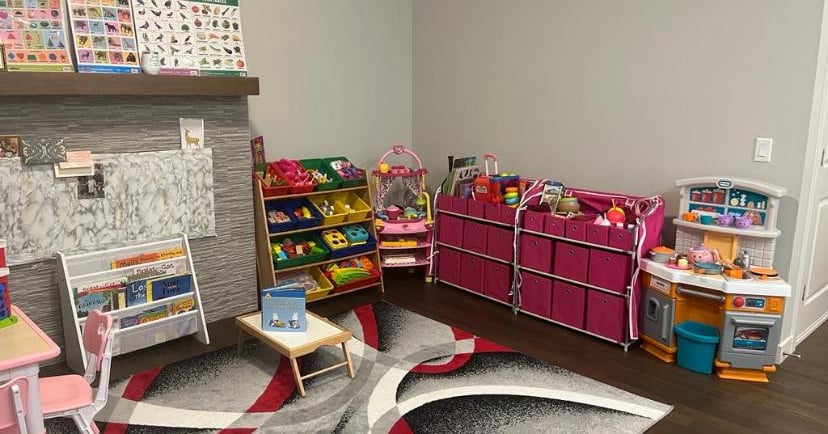
Mixed-age dayhomes are innovative childcare environments that accommodate children of varied ages within the same setting. Unlike traditional daycares, which typically group children by age, mixed-age dayhomes foster a collaborative and dynamic atmosphere. This unique structure encourages interaction among toddlers, preschoolers, and sometimes early school-age children, allowing them to learn from one another and develop essential social skills.
The primary purpose of mixed-age dayhomes is to promote holistic development by enhancing socialization and community-building. These settings are rooted in the belief that children can benefit significantly from relationships with peers of various ages. In such environments, older children often take on mentorship roles, which boosts their confidence and leadership skills. Conversely, younger children gain motivation and inspiration from observing and interacting with their older counterparts, developing important skills in communication and cooperation through shared play experiences.
Educators in mixed-age dayhomes embrace an educational philosophy that values individual growth over rigid adherence to age-specific curricula. Rather than following a one-size-fits-all approach, these programs are tailored to the needs and interests of each child, encouraging exploration, creativity, and problem-solving. This adaptability not only enriches the learning experience but also prepares children for real-world interactions, reflecting the diverse nature of society.
The social environment in mixed-age dayhomes is often vibrant and nurturing. Children learn to express empathy and engage in conflict resolution, as they navigate relationships with peers of all ages. They also develop a sense of belonging and community, understanding the importance of collaboration and support in a shared space. This interaction promotes a profound sense of responsibility among children, allowing them to understand their roles within a group dynamic while building lifelong social skills.
The Role of Empathy in Mixed-Age Interactions
Empathy is a fundamental building block in the development of social skills among toddlers, particularly in mixed-age dayhome settings. In such environments, younger children have the unique opportunity to observe and emulate the behaviors of their older peers, who often model empathetic responses. This natural observation fosters a caring atmosphere where values like sharing, kindness, and emotional understanding are actively practiced.
For instance, when a toddler witnesses an older child comforting a peer who has scraped their knee, they are likely to not only recognize the importance of caring for others but also instinctively grasp how to engage in empathetic behavior themselves. Such interactions are commonplace in mixed-age dayhomes, where children of varying developmental stages engage with one another. The older children, having a more developed understanding of emotions, can demonstrate empathy in ways that are both instructive and inspirational for their younger counterparts.
Research reveals that children who grow up in mixed-age environments tend to exhibit higher levels of emotional intelligence. A study conducted by the University of Colorado found that mixed-age dayhome settings significantly enhance the empathic abilities of toddlers, as they are exposed to a broader range of emotional expressions and responses. Moreover, interactions in these diverse groups encourage emotional problem-solving, allowing toddlers to explore and articulate their feelings and those of others.
In essence, empathy thrives in mixed-age dayhomes because they cultivate an environment rich with opportunities for observation and imitation. As toddlers witness compassionate interactions among peers, they develop vital social skills and a deeper appreciation for the emotions of others. This foundational understanding of empathy not only supports their current social engagements but also lays the groundwork for healthy relationships in their future. By promoting empathetic responses, mixed-age dayhomes prove to be invaluable in shaping the social landscapes of young children.
Mentoring: A Key Element of Mixed-Age Dayhomes
Mixed-age dayhomes offer a unique environment where mentoring becomes an integral aspect of daily interactions among children. In such settings, older children often take on informal leadership roles, guiding their younger peers in various activities. This dynamic not only fosters a sense of responsibility and confidence in older children but also provides younger ones with tailored support, paving the way for significant developmental benefits.
One prime scenario illustrating this mentoring process involves collaborative play. For example, an older child might lead a group in building a structure with blocks. As they construct, the older child naturally guides the younger ones on how to balance the blocks efficiently, thereby encouraging teamwork. This interaction allows younger children to learn vital social skills such as communication and cooperation, while older children reinforce their own understanding of spatial concepts and critical thinking.
Moreover, the mentorship dynamic is crucial during activities such as art projects. An older child might share techniques for mixing colors or various art styles with the younger ones. Such knowledge-sharing fosters creativity among the younger children and enhances communication skills as they ask questions and engage in dialogue. This reciprocal learning experience not only strengthens understanding for the older child but also boosts the younger children’s confidence in expressing themselves artistically.
Furthermore, the emotional benefits of mentorship in mixed-age dayhomes cannot be overlooked. Older children often develop empathy and patience as they learn to consider the needs and abilities of their younger peers. This nurturing interaction cultivates a supportive atmosphere where children are encouraged to seek assistance and receive guidance, enhancing their overall social competencies. In this way, mixed-age dayhomes prove to be a powerful setting for mentoring, yielding considerable advantages for all children involved.
Natural Social Learning in Mixed-Age Settings
Natural social learning is a dynamic process where children acquire social skills through interactions with peers in their environment. Mixed-age dayhomes provide an ideal setting for this learning to flourish, as they encourage spontaneous interactions among children of varying ages. In these environments, younger children often observe and imitate older peers. This observational learning allows them to acquire important social skills naturally, such as sharing, taking turns, and negotiating. Conversely, older children reinforce their own skills by teaching and guiding younger ones, fostering a sense of responsibility and enhancing their leadership abilities.
Different scenarios within mixed-age dayhomes illustrate the richness of social learning opportunities. When younger children engage in imaginative play with older peers, they not only learn to express themselves creatively but also gain insights into complex social dynamics. For instance, during a cooperative game, they may navigate challenges, such as resolving a conflict over game rules or understanding shared responsibilities, which enhances their problem-solving skills. These interactions promote essential skills like empathy and conflict resolution, which are crucial for effective interpersonal communication.
Educators in mixed-age dayhomes play a pivotal role in facilitating and supporting these interactions. They observe children’s play and are ready to step in when necessary to guide discussions or mediate conflicts, ensuring that all children have the opportunity to express their feelings and thoughts. Additionally, they can create structured activities that require teamwork and collaboration, further embedding social skill development into the curriculum. By crafting a nurturing space that values cooperation among diverse age groups, educators cultivate an environment where natural social learning thrives, ultimately preparing children for future social interactions outside the dayhome setting.