Quality Childcare in Calgary: What to Look For
Learn what to look for in quality childcare in Calgary, from a welcoming setting and clear communication to routines and questions for providers.
BLOGS
Quality childcare in Calgary is easier to assess when you look beyond a polished room or a list of promised benefits. Ask how adults respond to children, how the daily routine works, and what families can verify in writing. A dayhome or centre may suit your child, but quality depends on the specific people and practices you observe. Use these questions before and after a visit.
Start with a child's ordinary day
Ask the provider to walk you through arrival, play, meals, rest, outdoor time and pickup for your child's age. What happens when a child wants to stay with a familiar toy, needs a quiet break or does not join a planned activity? A useful description includes alternatives and supervision. A timetable can show intention, while an observation shows how that intention works. If your visit is brief, ask to return during a different part of the day. Compare the actual routine with your child's sleep, eating and transition needs.
Notice the adult-child interactions
Look for adults who listen, respond calmly and explain what they are doing. A warm greeting matters, but watch what happens when two children need help at once. Does the adult keep the group in view and speak respectfully while resolving the problem? Ask who would care for your child during the hours you need, and whether that person is present during your visit. A single interaction is not a complete assessment, so ask for examples of how the provider handles everyday conflict, upset and change.
Check the space your child would use
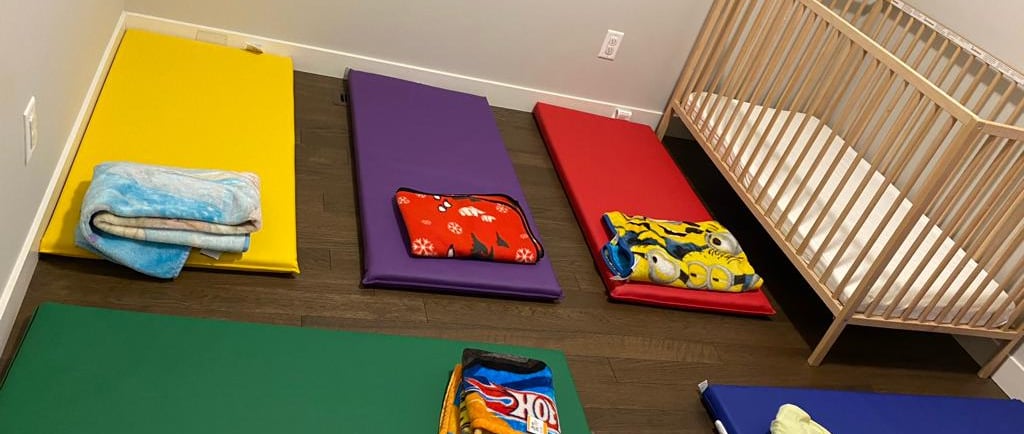
See the play, rest, eating and outdoor areas, within the provider's privacy rules. Ask where belongings are stored, where a child can calm down and how the provider manages transitions between spaces. The setting does not need an elaborate theme to support play; materials should be usable, age-appropriate and safely managed for the children who are present. Ask how the adult maintains supervision during food preparation, diaper changes or a child's rest. Note what you could observe and what still requires an answer.
Ask about play and learning without a performance promise
Children can explore language, movement, relationships and problem solving through play. Ask how a provider chooses activities for the ages in care and how a child can take the lead. For example, a building activity might offer large blocks for a toddler and more complex design choices for an older child. The point is responsive practice, not an assurance that any programme will make a child school-ready by a specific date. Ask how the provider notices interests and shares those observations with families.
Understand the group's ages and adults
Ask how many children are present during your child's exact hours, their age range and how many adults supervise them. Numbers and routines may shift at pickup or after school. If care includes mixed ages, ask how small materials, active play and rest are managed safely. If a provider says the group is small, ask what that means in its current arrangement. Compare the answer with the applicable Alberta rules and the provider's verified status rather than assuming all dayhomes or centres use one ratio.
Verify the provider's operating model
Alberta distinguishes licensed daycare programmes, approved family day homes working through licensed agencies and private unlicensed home care, among other arrangements. Ask which model applies to the specific provider, its agency if any, and where you can confirm current status. Alberta's childcare system guide and Find Childcare information help families check regulated options. A claim of “certified” or “accredited” is not a substitute for current evidence. Do not infer Happy Learning Zone's status from this general guide; ask the business directly.
Read the policies that affect your family
Request written information about illness, medication, pickup authorization, emergencies, closures, late arrival, behaviour guidance and withdrawal. Ask who makes a decision if a child is unwell and how parents are contacted. If you have a concern about food, allergies or a child's support needs, discuss the practical plan for that child. Clear policies can prevent a stressful surprise, but they should also match what the caregiver explains during a visit. Note any gap and ask for clarification before enrolling.
Examine communication in both directions
Ask who shares updates, how often, and how you can raise a concern. A provider might use pickup conversations, messages, an app or written notes. The method matters less than whether information is timely, specific and respectful. Ask how the provider would tell you about a change in routine or an incident and when you should call. Tell the provider what information helps you support your child at home. Quality is easier to sustain when the family and caregiver can discuss a problem without guessing.
Check how change and absences are handled
Find out who covers caregiver breaks, illness, vacation and unexpected closures. A centre may have more adults, while a dayhome may have a substitute arrangement or may close; neither outcome is automatic. Ask for the actual closure calendar and notice process. Think through your own backup care if work cannot be missed. Also ask what happens when your child transitions to a different room, caregiver or age group. The answers are part of the quality of daily care, not just administrative details.
Compare full fees with current rules
Ask for a dated fee quote for your child's schedule. Include deposits, included supplies, paid closure days, late pickup charges and withdrawal notice. If the provider refers to provincial affordability funding, verify the applicable programme and eligibility through Alberta's current fees page. A posted monthly amount may not represent your family's real cost. Compare two options over the same month and keep the quotes with your visit notes. Price alone does not prove or disprove care quality.
Observe the first-week plan
Ask how a new child is introduced to the people, space and routine. Who greets them? Can they bring a familiar comfort item if appropriate? How will the provider tell you about eating, rest and play during the first few days? If separation is difficult, ask what the adult does and when the plan would be reviewed with you. No provider should need to promise that every child adjusts on the same timetable. A responsive plan gives both family and caregiver a way to learn what helps.
Make notes that distinguish evidence from marketing
After each visit, list what you observed, what the provider described, what is written and what still needs checking. Use the same headings for every candidate: people, supervision, routine, setting, communication, policies, cost and closures. Alberta's quality childcare questions offer another useful framework. If something seems appealing but remains vague, ask for a concrete example. A second visit or written reply may resolve uncertainty better than an online rating.
Use the guide for a real decision
Quality childcare in Calgary is a combination of relationships, responsive daily practice and dependable terms for your family. The best next step is to visit the actual provider, verify its current status where applicable, read the agreement and compare your observations with your child's needs. Our Calgary childcare selection guide has a companion shortlist process. Keep your decision grounded in the care offered today rather than generic promises about a care model.