
The Benefits of Choosing a Dayhome for Infants in Calgary
Infants thrive in calm, predictable environments, making dayhomes an excellent option. This article explores why Calgary parents choose dayhomes for babies under 18 months, including lower child-to-caregiver ratios, personalized feeding schedules, nap routines, and stronger emotional bonding that supports early development.
12/28/20257 min read
Understanding Dayhomes: What Are They?
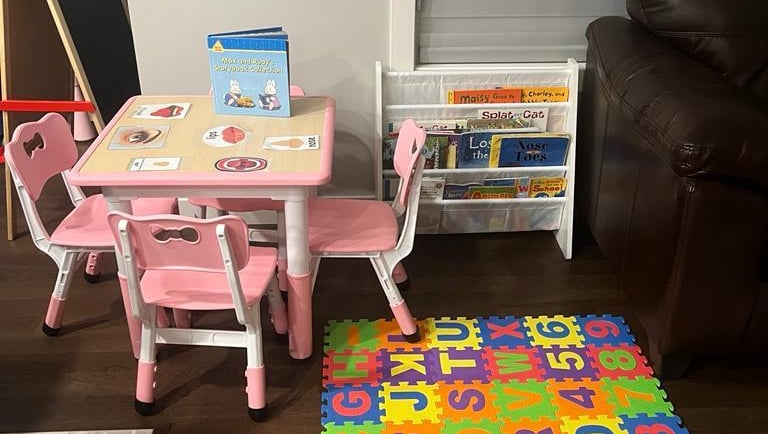
Dayhomes, often referred to as family childcare homes, are residential care settings aimed at providing childcare services for infants and young children. Fundamental to their operation is the home environment, which allows for a unique blend of care and comfort typically not found in traditional daycare centers. Dayhomes operate in a less formal setting, promoting a nurturing atmosphere that closely resembles a home life, making them particularly appealing for parents seeking a family-oriented approach to childcare.
A defining characteristic of dayhomes is the small group size, typically caring for a limited number of children, often between three to six. This smaller capacity facilitates a more intimate engagement between caregivers and children, allowing for personalized attention and tailored activities that cater to each child's individual needs and developmental stages. By focusing on smaller groups, dayhomes can foster stronger relationships among caregivers and families, enhancing the overall experience.
The operational structure of dayhomes is also distinctive. Typically run by a trained and licensed caregiver, these settings maintain regulated standards while ensuring flexibility that most traditional daycare centers might lack. Dayhomes can adjust to the specific needs and routines of the children within their care, such as mealtimes, naptimes, and play activities, aligning closely with family expectations.
The philosophy behind family-based childcare in dayhomes emphasizes building a secure and trusting environment. Caregivers often employ experiential learning methods that incorporate play-based activities, helping children to develop socially, emotionally, and cognitively. This nurturing approach promotes not only the well-being of children but also the overall family unit, as dayhomes foster an inclusive atmosphere where parents feel welcomed and involved in their child's development.
Why Dayhomes Are Ideal for Infants
Infants, particularly those in their first year of life, have unique developmental needs that require a nurturing and responsive environment. Dayhomes are increasingly recognized as ideal settings for infants in Calgary, as they provide customized care that addresses these specific requirements. Unlike larger daycare facilities, dayhomes often offer a smaller caregiver-to-child ratio, which fosters greater individual attention and allows caregivers to foster secure attachments with each infant.
The structure of dayhomes is designed to create a calm and predictable environment conducive to infant development. Infants thrive on routine, which helps them feel secure as they become familiar with daily patterns. In dayhomes, caregivers can tailor daily schedules to align with each child’s individual needs, making provisions for feeding, nap times, and play activities that are sensitive to the infant's natural rhythms.
Moreover, the intimate setting of a dayhome allows for personalized interactions that are vital for emotional and cognitive development during this formative period. Caregivers in dayhomes are often trained to recognize subtle cues from infants, enabling them to respond appropriately to the child’s needs and facilitating a more interactive, engaging experience. This level of attentiveness fosters not just physical well-being but also supports language acquisition and social skills from a very early age.
Research indicates that the emotional security gained from consistent routines and close caregiver relationships has long-term benefits for infant development. In dayhomes, infants are encouraged to explore their surroundings in a safe and supportive atmosphere, laying the foundation for healthy cognitive, social, and emotional growth. Ultimately, dayhomes represent a nurturing option for parents seeking optimal developmental support for their infants.
Lower Child-to-Caregiver Ratios: A Key Advantage
One of the paramount benefits of choosing a dayhome for infants in Calgary is the lower child-to-caregiver ratios that these settings typically offer. In contrast to many larger daycare centers, which often accommodate a high number of infants per caregiver, dayhomes maintain a more manageable environment. This enables caregivers to provide individualized attention that caters to the unique needs of each child.
The significance of lower ratios cannot be overstated. With fewer infants to care for, caregivers can devote more time and energy to each child, fostering a stronger bond and building trust. This nurturing environment is particularly crucial for infants, who thrive on consistent interaction with their caregivers. Infants develop better social and emotional skills when they receive personalized care that responds to their cues and needs.
Additionally, a lower child-to-caregiver ratio enhances the overall safety and supervision of infants. Caregivers in dayhomes can more easily monitor each child's activities, ensuring they are engaged in developmentally appropriate play and learning experiences. This vigilant supervision not only provides peace of mind for parents but also creates a secure environment where infants can explore and grow.
Furthermore, individualized attention allows caregivers to promptly identify any developmental concerns or health issues that may arise. This proactive monitoring ensures that every infant receives the appropriate intervention and assistance as needed. As a result, the emphasis on lower child-to-caregiver ratios in dayhomes becomes a critical aspect of fostering quality early childhood care.
Personalized Feeding and Nap Schedules
One of the most significant advantages of enrolling infants in a dayhome in Calgary is the personalized approach to feeding and nap schedules that these settings can offer. Unlike traditional daycare centers, which often operate on a rigid schedule designed for a larger group of children, dayhomes typically provide a tailored routine for each infant. This flexibility accommodates the unique developmental needs and personal preferences of each child.
In a dayhome environment, caregivers are able to closely monitor each infant's hunger cues and sleeping patterns. This attentiveness allows for individualized feeding times that align with when each baby is ready to eat, rather than standardizing meal times for everyone. As a result, infants can feed on demand, promoting a more natural feeding experience that supports their growth and well-being.
Furthermore, the naptime routines in dayhomes can be adjusted to suit an infant's specific needs, taking into account how long they nap and the times they are most likely to need sleep. By allowing infants to sleep when they naturally require it, caregivers in dayhomes contribute to a more supportive sleep environment, which is critical for healthy brain development and overall emotional stability.
This personalized approach to feeding and sleep not only enhances the individual experience for each child but also fosters a more profound bond between caregivers and infants. It creates an environment where infants feel secure and respected, ultimately leading to their overall satisfaction and well-being. The ability to adapt to the changing needs of young children sets dayhomes apart as an appealing choice for many parents seeking quality care for their infants in Calgary.
Emotional Bonding: The Heart of Infant Care
In the crucial early months of life, infants require not only physical nourishment but also emotional support to thrive. Dayhomes in Calgary offer a nurturing environment where caregivers can foster strong emotional connections with infants, significantly impacting their overall development.<\/p>
The intimate setting of a dayhome allows caregivers to engage with each child on an individual basis. This personalized attention enables caregivers to respond promptly to the needs of each infant, whether it's through soothing during a cry or celebrating small achievements. Such interactions are vital as they cultivate a sense of security and trust in infants, which is foundational for their emotional wellbeing.<\/p>
Moreover, the continuity of care in a dayhome enhances the bonding experience. Unlike larger childcare centers, dayhomes typically provide consistent caregivers for infants. This familiar presence helps infants develop stable relationships, allowing them to feel secure and understood. The emotional bonds formed in these early stages can lead to greater self-esteem and resilience as the child grows, laying the groundwork for future social interactions.<\/p>
Research indicates that strong emotional attachments during infancy can result in improved psychological outcomes later in life. Infants who feel secure in their caregiver relationships are more likely to explore their environment, engage with peers, and develop essential social skills. Thus, the emotional bonding that occurs within dayhomes plays a crucial role not only in the present but also in shaping a child’s long-term emotional and social health.<\/p>
In conclusion, dayhomes in Calgary promote nurturing relationships between caregivers and infants. These emotional bonds are essential for fostering a secure and supportive environment, which ultimately contributes to positive developmental outcomes for infants during their formative months.
The Role of Dayhomes in Early Development
Dayhomes play a vital role in the early development of infants, providing a nurturing environment that fosters holistic growth. From social interactions with caregivers and other children to opportunities for cognitive stimulation, dayhomes serve as crucial settings for infants to thrive in their formative years. In these environments, children are not just cared for; they are engaged and encouraged to explore, learn, and develop essential life skills.
Social development is significantly enhanced in dayhomes as infants interact daily with peers and caregivers. These interactions enable children to develop vital social skills such as sharing, communication, and empathy. Early exposure to a diverse social environment can help infants learn to express emotions, collaborate, and build healthy relationships, all of which are foundational to their later development.
Moreover, emotional growth is nurtured in dayhomes through consistent bonding and attachment with caregivers. The secure and supportive environment that dayhomes offer helps infants develop a sense of trust and security, which are critical for emotional stability. Caregivers in dayhomes play an essential role in recognizing and responding to the emotional needs of infants, fostering resilience and independence as they grow.
Cognitive development is another major benefit of dayhomes. Infants are exposed to various stimulating activities, including reading, music, and creative play, which enhance their learning and critical thinking skills. Dayhomes often incorporate age-appropriate educational materials and structured activities that encourage exploration and curiosity. Physical development is also promoted through activities that support motor skills, whether it be through crawling, walking, or other forms of active play.
In summary, dayhomes are instrumental in fostering the comprehensive development of infants in Calgary. They provide a structured yet nurturing environment where infants can grow socially, emotionally, cognitively, and physically, laying a strong foundation for their future well-being and educational success.
Choosing the Right Dayhome: Tips for Parents
Selecting the appropriate dayhome for your infant is a pivotal decision for parents in Calgary. This process requires thoughtful consideration of various factors to ensure not only the well-being of your child but also your peace of mind. One of the primary criteria to examine is the qualifications and experience of the caregivers. It is vital to inquire about their backgrounds, including education and training in early childhood development. Qualified caregivers should possess the knowledge and skills to nurture infants effectively and create positive developmental outcomes.
Another essential aspect to consider is the learning environment offered by the dayhome. Parents should look for settings that encourage exploration and play, as these elements are crucial for an infant’s growth. Dayhomes should feature age-appropriate toys and resources, along with organized activities that foster cognitive and motor skill development. Moreover, the overall philosophy of the dayhome should align with your parenting values. Whether it is a structured schedule or more flexibility in routine, ensure that it suits your child’s needs and your family’s approach.
Safety measures are also of utmost importance when choosing a dayhome. Make sure the facility complies with local regulations and has proper certifications. Inspect the premises for safety features, such as secure play areas, childproofed environments, and adequate supervision ratios. Additionally, understanding the dayhome’s health and safety policies can provide reassurance regarding your child’s well-being.
Ultimately, selecting the right daycare reflects a balance of caregiver qualifications, engaging learning environments, and stringent safety protocols. Taking the time to assess these elements will ensure that your child is cared for in a supportive and nurturing atmosphere, laying the groundwork for healthy development.