
Quality Care in a Calgary Dayhome: 10 Tips
Explore 10 tips for quality care in a Calgary dayhome, covering routines, communication, play, the care environment, and parent questions.
2/3/20245 min read
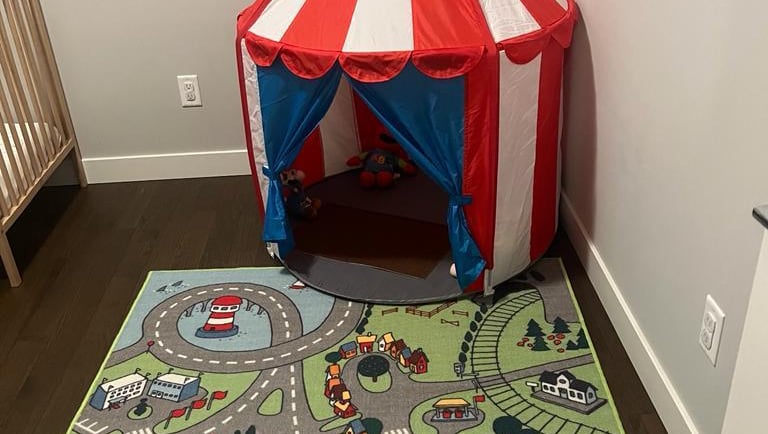
Quality care in a Calgary dayhome is something parents can evaluate through specific observations and written answers. A home setting may offer familiar routines, but group size or a welcoming photo cannot establish how care works on an ordinary day. These ten tips turn common promises into questions you can bring to a visit, compare across providers and revisit after your child starts.
1. Verify the care model and current status
Ask whether the home is an approved family day home working with a licensed agency or private unlicensed care. Request the agency name if one is involved, and check the current information through the appropriate Alberta source. The province's approved family day homes page explains that model, while its childcare system overview distinguishes other types of care. Do not treat the word “licensed” in a blog title as proof of an individual provider's status. Ask the provider to explain what oversight applies today.
2. Ask who will actually care for your child
Meet the adult who would be present during your child's scheduled hours. Ask who else lives in or visits the home, who may assist with care, and how adult absences or breaks are covered. The care plan should name the responsible person, not rely on a vague promise of continuity. A child may build a relationship with a familiar caregiver, but no setting can guarantee that staffing never changes. Ask how a change would be communicated and how the child would be introduced to another adult.
3. Observe attention when the group is busy
Ask how many children and what ages are present at drop-off, during meals and after school. Watch how the caregiver handles two needs at once while keeping the group supervised. If you can only visit during a quiet period, request an example of what happens when one child needs help and another wants to leave the room. A smaller group may create opportunities for attention, but the adult's response is the evidence. Record what you actually saw and what still needs a follow-up visit.
4. Compare the daily rhythm with your child
Ask for a typical sequence of arrival, play, food, rest, outdoor time and pickup. What happens if a toddler does not nap, a preschooler wants a quiet activity, or a child needs a slower start? A flexible response can matter, but it must fit safe supervision and the provider's real schedule. Tell the caregiver about the routines your child relies on and ask how those would be handled. Avoid demanding a guarantee that every home routine will be duplicated.
5. See how play is adapted to mixed ages
Mixed ages can be part of a dayhome, although the exact group varies by provider. Ask how younger children are protected from small materials while older children still have interesting activities. Look for accessible, age-appropriate play and an adult who notices engagement. A simple activity might have different options: large blocks for a toddler, a design challenge for an older child and a supervised shared story. Older children should not be treated as substitute caregivers. Ask how active play and quiet time coexist.
6. Review the food plan rather than assuming home cooking
Ask whether the provider offers meals or snacks, what is included in the fee and who prepares or supplies them. Discuss your child's allergies, restrictions and eating routine, including how information is recorded and updated. A home kitchen does not prove a particular menu or nutrition standard, and a centre does not necessarily use packaged food. Request a sample menu or written policy if food is important to your choice. Ask how the caregiver supervises children while preparing food.
7. Check the actual care spaces and supervision
See the areas your child would use for play, rest, eating and outdoor time, within privacy rules. Ask how transitions between rooms are managed and where a child can go for a calmer activity. A garden or nearby park should be verified rather than assumed from a home address. If outdoor trips are offered, ask about route, adult supervision, weather decisions and pickup communication. Alberta's quality childcare questions provide a useful wider visit checklist.
8. Agree on two-way communication
Ask what you will learn at pickup, whether the provider sends updates during the day and how a concern is raised. Discuss when you expect to hear about illness, injury or a change of routine. A small group may allow a conversation, but the caregiver still needs a system that works while children require attention. Share the information that helps the provider understand your child, and ask how observations will be documented if a practical plan needs review. Test whether the answers are specific and respectful.
9. Get hours, closures and costs in writing
Do not infer flexible evenings, weekends or lower fees from a home setting. Ask for the exact opening days and hours, holiday calendar, late pickup policy, deposits, paid closures and withdrawal notice. Find out who covers a caregiver absence and what your family would do if care closes. Request a dated fee quote for your child's days and age. If provincial funding is mentioned, verify the rules on Alberta's current childcare fees page. Compare the total arrangement, including backup care, with other providers.
10. Plan the first week and revisit the fit
Ask who greets a new child, whether a familiar item is welcome, how separation is handled and when the family will hear how the day went. Agree on a point to review the transition. A child may settle gradually, and one difficult morning does not alone establish that the provider is a poor fit. Look for a caregiver who can explain what they observed and how they would adjust. If your child's needs or your schedule changes later, revisit the written plan rather than assuming the original arrangement still fits.
Use the ten tips as a comparison sheet
Write one page per provider with the same ten headings. Mark each answer as observed, written, or still to confirm. Make a second visit if a material part of the routine was not visible, and read the agreement before paying a deposit. Quality care in a Calgary dayhome depends on the actual people, practices and terms; these checks help your family make an informed choice without relying on universal claims that one care model is superior. For a broader search process, see our Calgary childcare selection guide.
A sample visit conversation
Suppose a Calgary parent needs care from early morning to mid-afternoon and has a toddler who rests after lunch. Rather than asking “Is this a good dayhome?”, the parent can ask: “Who would greet my child at our arrival time? How many children are here then? Where would my child rest, and what happens if rest is short? How would I hear about the day?” The parent can also ask for the actual closure calendar and a full written quote. This example is hypothetical, not a description of Happy Learning Zone or another provider. Its value is the sequence: start with your real requirements, observe the routine, then verify terms.
What to do when answers differ
Two providers may describe different strengths. One might offer a convenient route but limited closure coverage; another might have a longer commute and a schedule that better fits work. Write the tradeoffs down rather than treating either as an automatic winner. If a provider uses an unfamiliar term for its status, ask for the official name and verification path. If a fee seems lower, compare what is included and which days are paid. If your child seems unsettled on a single visit, ask how the provider supports transitions and consider whether a second observation would help. The aim is a decision you can explain from evidence, not a perfect score on a generic checklist.