
Tackling Toddler Biting: How Dayhome Educators Handle Aggressive Behavior Calmly
1/3/20264 min read
Understanding Toddler Biting: The Root Causes
Toddler biting is a common issue faced by dayhome educators, which often leaves caregivers puzzled and concerned. To address this behavior effectively, it is crucial to comprehend the underlying reasons that lead toddlers to bite. Children enter various developmental stages during their early years, and these transitions can significantly influence their actions, including biting. Understanding these stages aids educators in responding appropriately and compassionately to the behavior.
One primary reason for biting is frustration. Toddlers are in a phase where they are learning to communicate their needs and emotions, but they often lack the verbal skills to express themselves clearly. This inability to articulate feelings can lead to moments of frustration, prompting a child to resort to biting as a means of expressing their discontent or discomfort. Additionally, children may bite when they feel overwhelmed or when their needs are unmet, such as when they are hungry or tired.
Another significant factor contributing to biting behavior is exploration. Toddlers are naturally curious and are constantly learning about their environment through sensory experiences. As they explore their surroundings, they might use their mouths to investigate objects, leading to unintentional biting of their peers. In these instances, biting can be viewed as a part of normal exploration rather than an aggressive act. Moreover, social interactions play a pivotal role in this behavior; toddlers learning to navigate relationships may experiment with biting as a way to engage with others or assert themselves.
In summary, the reasons behind toddler biting are multifaceted, including frustration, communication difficulties, sensory exploration, and social interactions. By understanding these root causes, dayhome educators can foster empathy and tailor their responses, ultimately guiding toddlers through their emotional and developmental journeys. This insight paves the way for more effective behavior management strategies in educational settings.
Creating a Safe and Calm Environment
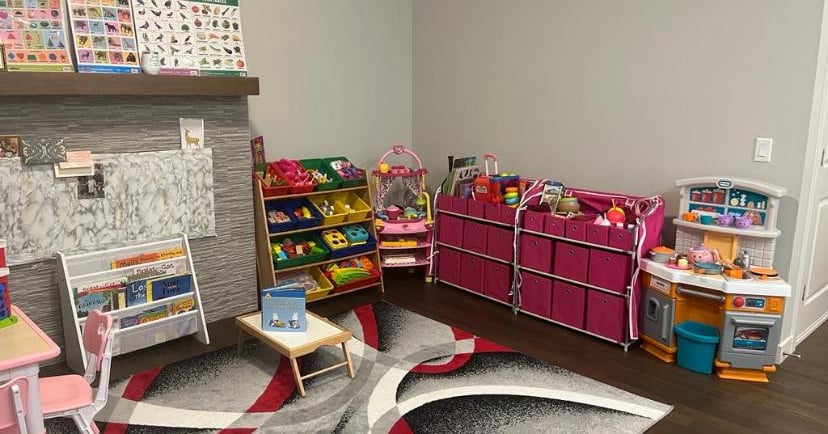
Establishing a nurturing and secure atmosphere in dayhomes is essential for mitigating aggressive behaviors, such as biting, among toddlers. A well-thought-out environment plays a crucial role in fostering positive interactions and reducing instances of aggression. By implementing specific strategies, educators can create spaces where children feel safe to express themselves without resorting to biting or other disruptive behaviors.
One of the foundational strategies involves setting clear boundaries that children can understand. These boundaries should be communicated consistently through verbal reminders and visual cues, allowing toddlers to grasp expectations regarding acceptable behaviors. This clarity helps to minimize confusion and provides children with a sense of security, which ultimately contributes to a calmer environment.
Additionally, incorporating appropriate distractions is an effective method for diffusing potential conflicts. Educators should offer a variety of engaging activities that capture the children's attention, enabling them to channel their energy into more constructive outlets. For instance, providing sensory play materials or creative tools can significantly decrease the likelihood of aggressive behaviors, such as biting, by keeping children occupied and fulfilled.
Structured routines also play an integral role in creating a safe space. Consistent schedules not only offer a sense of predictability for toddlers but also assist in managing transitions between activities. When children know what to expect, they may experience less anxiety, which can lead to improved behavior overall. Routines should incorporate designated times for play, rest, and meal periods that are adapted to the needs of the children in the dayhome.
By focusing on these critical components—clear boundaries, appropriate distractions, and structured routines—educators can cultivate an environment that is both safe and conducive to healthy emotional expression. Such an atmosphere reduces the likelihood of biting incidents, allowing toddlers to thrive in a supportive and understanding setting.
Implementing Effective Strategies to Manage Biting
Managing biting incidents in a toddler setting requires educators to utilize effective strategies that foster a safe and supportive environment. One immediate response involves calmly intervening at the moment of biting. Educators should approach the situation without escalating tensions, using brief and clear language to communicate that biting is not acceptable. For instance, saying, "We don’t bite; it hurts," while gently separating the children involved can help de-escalate the situation. This immediate intervention is crucial in setting the tone for further discussions on behavior.
In the aftermath of a biting incident, the focus should shift towards education rather than punishment. Dayhome educators can guide toddlers through their emotions, acknowledging the feelings that may have led to the biting behavior. By modeling appropriate communication skills, educators can show children how to express their needs and frustrations verbally. Techniques such as role-playing scenarios where children encounter conflicts can help toddlers learn alternative methods of expressing themselves without resorting to biting.
Another vital long-term strategy involves teaching empathy. Educators can encourage children to consider the feelings of others by asking questions like, "How do you think they feel when you bite?" This approach helps toddlers develop an understanding and respect for others' emotions, ultimately reducing the likelihood of future biting incidents.
Additionally, nurturing conflict resolution skills is paramount. Incorporating activities that promote sharing, cooperative play, and teamwork can enhance social interactions. Educators should facilitate discussions about conflicts and prompt children to suggest solutions, reinforcing positive behavior patterns and communication methods. By fostering a culture that emphasizes emotional literacy and problem-solving, dayhome educators can effectively mitigate biting behavior and cultivate a nurturing environment where children feel safe to express themselves.
Communication with Parents: Building Partnerships
Effective communication between dayhome educators and parents is essential in addressing toddler biting behavior. By establishing a partnership, educators can work collaboratively with parents to manage incidents of biting and minimize aggression in young children. Open lines of communication ensure that parents are informed about their child's behavior and the strategies being implemented in the dayhome setting.
When an incident of biting occurs, educators should approach parents with sensitivity and transparency. It is important to provide a factual account of the event without assigning blame. This can be framed as a shared concern, leading to a constructive discussion about the behavior. Educators should share details such as what happened prior to the biting, the context in which it occurred, and how it was addressed at the moment. This level of detail can help parents understand that biting is often a phase related to emotional development and social skills rather than an aggressive intent.
Moreover, sharing strategies used in the dayhome is crucial for consistency in behavior management. Educators can suggest techniques such as redirecting the child's attention, using simple language to express feelings, or providing alternative ways to communicate needs. Encouraging parents to reinforce these strategies at home can lead to a more unified approach, fortifying the child’s understanding of appropriate behavior.
Additionally, educators should invite parents to contribute insights about their toddler's behavior at home, fostering a two-way dialogue. This engagement not only strengthens the partnership but also allows for the exchange of valuable information, which can inform strategies used both at home and in the dayhome environment. Ultimately, building a cooperative relationship with parents is an essential component of effectively managing and reducing aggressive behaviors, including biting, among toddlers.