
Comparing Affordable Childcare in Calgary
Comparing affordable childcare in Calgary? Review dayhome costs, provider questions, and current funding information before deciding what fits.
11/5/20256 min read
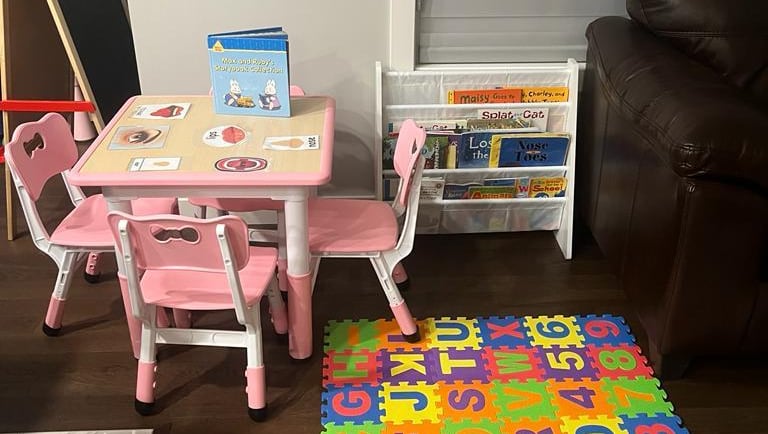
Comparing affordable childcare in Calgary means asking what your family will actually pay for a workable schedule, not repeating a dayhome-versus-centre price claim. Use this practical comparison process for current providers, including the costs and care terms that can be easy to miss.
Define the month you are comparing
Choose a real month near your expected start date and count the care days and registered hours you would need. Note whether a child is kindergarten age or younger, in full-time kindergarten, or in Grades 1 to 6. Record the pickup window that covers your commute and work. A provider may quote a part-time or full-time amount using different hour definitions; ask how it calculates your schedule. If your shifts vary, request a written quote for the pattern you actually expect, plus the rule for changes.
Identify each provider's operating model
Ask whether the option is a licensed facility programme, an approved family day home under a licensed agency, private unlicensed home care or another arrangement. Ask for the agency's name where relevant and check current details through Alberta's childcare system overview and Find Childcare. Provider status matters for oversight and possible funding, but the label alone does not prove a place is available or a fee applies to your child.
Request an itemised parent-fee quote
Ask every provider to put the base fee for your child's age and hours in writing. Then ask about deposits, registration, late pickup, extra hours, meals, snacks, transport, supplies, field trips, paid holidays and withdrawal notice. Some charges may be optional; confirm which ones your family would actually choose. Keep a date on each quote because programme participation, availability and fees can change. Do not compare an unfunded private quote with a funded licensed headline unless you account for the actual parent portion and all included services.
Check the correct Alberta funding route
Alberta's childcare fees page describes affordability funding that can lower fees for eligible younger children in participating licensed care. The Child Care Subsidy Program is a separate route for eligible families with children in full-time kindergarten through Grade 6 using qualifying care. The child's stage, registered hours, provider status and programme participation matter. Verify current criteria and any application requirements on Alberta's pages. Do not apply a general subsidy amount from a blog to every family or assume that an individual dayhome receives a particular grant.
Compare the cost of access, not only tuition
Travel time, transit fares, parking and backup-care needs can change the family cost. Test the route at the hours you would use it, including a plausible winter trip. Ask where drop-off happens and what late pickup would cost if a work shift runs over. A lower monthly fee may be less useful if the location requires a second caregiver for pickup. You do not need to assign an exact dollar value to every minute, but you should note whether the arrangement is dependable enough to sustain.
Check the closure calendar and absence rules
Ask which holidays and vacation days are paid, how much notice you receive of a planned closure, and what happens if the caregiver or child is ill. A centre may have several adults yet still close on statutory or training days; a dayhome may have an agency substitute arrangement or may close. The answer belongs to the named provider. Record how many of your working days could need backup care and what your household would do. If you cannot miss work, this may matter as much as a small difference in the advertised fee.
Do a first-month cash-flow check
A deposit, registration charge and first fee payment may be due close together. Ask what is refundable, when the deposit is applied and whether the agreement starts before the child attends. If a funding decision is pending, ask what your family pays until it is confirmed. Keep the written invoice and receipt. A monthly amount can be manageable while a large upfront payment is difficult, so record both the long-run cost and the cash needed at enrolment.
Look beyond price at the care itself
Visit the actual setting and meet the adult who would care for your child. Observe how children are greeted and supervised, ask about rest, play, food and communication, and read the policies on illness, pickup and emergencies. A small group is not automatic proof of more individual attention, and a centre is not automatic proof of a rigid routine. Alberta's quality childcare guidance gives families a framework for visits. If a provider's low quote is unclear about a care term you need, ask for clarification before paying.
Use a hypothetical comparison without invented city prices
Suppose Provider A is nearer to home and quotes a higher base amount but includes the meals your family wants. Provider B lists a lower amount but charges for those meals and closes on a weekday you work. For each, write the same month's base fee, the relevant options, the closure and backup plan, and the travel time. The cheaper listed fee may or may not remain cheaper for the household. This scenario is hypothetical, not a claim about any Calgary provider or Happy Learning Zone. Replace each placeholder with dated written information before deciding.
Plan for a second child or school transition
If siblings need care, ask for a separate quote for each child's age and schedule. Ask whether both can attend, rather than assuming space or a sibling discount. When a child moves into full-time kindergarten, the provincial route and care hours may change; request a new quote for that stage. A family may also change work shifts or move neighbourhoods. Ask what notice is required to amend or end the agreement so a plan that fits now does not create an unexpected cost later.
Use reviews as leads, not testimonials as proof
If you use a review, check its date, what the family actually experienced and whether the caregiver or programme has since changed. A recommendation can help build a shortlist; it cannot establish present fee, status or daily care. Ask the provider for current written terms and visit yourself. Respect other families' privacy rather than asking for personal records or a testimonial to settle a safety question.
Questions to send before a visit
“Do you have a possible place for my child's age and start date? What are your current opening hours and operating model? Is there an agency involved? What is the complete parent fee for these days and hours? Which services cost extra? What funding arrangement, if any, affects this quote? What are the planned closure days, deposit and withdrawal notice?” Send the same questions to every candidate. Save replies so you can compare like with like. Avoid sending sensitive income or identity documents in an initial inquiry; follow Alberta's official process if those are needed for a programme.
A one-page comparison record
Create a row for each provider with: date of quote, verified status, child age or grade, hours, base parent fee, optional charges, upfront payments, paid closures, backup plan, route and unresolved questions. Mark whether a fact is observed, written or still an assumption. Read the first invoice against the agreement. For a more detailed budget worksheet, see our Calgary dayhome cost guide. The aim is a sustainable, clear arrangement for your family, not a generic assertion that one care model always offers better value.
Work through the worksheet in three passes
On the first pass, eliminate options that cannot cover the child's age, start date or required hours. On the second, verify current operating status and write the full parent fee for the same month, with all necessary extras and paid closures. On the third, visit the remaining providers and note what you observed about people, routine, supervision and communication. An option with an attractive price but no workable pickup plan should be marked as a practical mismatch; an option with a higher fee may still be worth discussing if the terms clearly fit your family. Record unresolved questions and the date you asked them. This method prevents a polished advertisement from replacing a real comparison.
Common mistakes to check before signing
Do not compare one weekly fee with another provider's monthly fee. Do not assume that all dayhomes are licensed, all centres receive affordability funding or all private homes are cheaper. Do not count a subsidy before you verify the applicable programme and your family's eligibility. Do not leave a deposit out of the first-month cash plan, or forget paid closure days and withdrawal notice. A family's care decision also changes as a child ages; write a date to revisit fees and funding before the next kindergarten stage. These checks are simple, but they can prevent a false saving from becoming a real household cost.